What goes into a tree job estimate
We look at the tree's size, its lean, how much weight is in the crown, and what is standing in the drop zone: structures, fences, other trees. A 40-foot pine in an open yard is a different job from a 40-foot oak leaning toward a porch.
Wind matters too, and so does having a clear escape path away from the fall line. If the path is blocked or the lean is wrong for the space, the tree gets rigged down in pieces instead of felled, and that takes more crew and more time.
The median home in Asheboro was built in 1981, so a lot of the trees we price have been growing beside houses, fences and rooflines for decades. Those are the jobs where obstacles drive the cost.
Cost ranges for common tree work
Two jobs have fairly predictable pricing. Tree cabling runs $200 to $400 per tree. Tree planting runs $100 to $300 per tree. Both are contained jobs with a clear start and finish.
Removal is different. We won't put a single number on it without knowing the tree and the site, because the same height can price very differently depending on lean, access and what is underneath it. Stump grinding is its own line on the estimate, done with a stump grinder, so tell us if you want the stump gone along with the tree.
What pushes a price up or down
Hazard is the biggest factor. A dead tree, a partially failed one, or one leaning over something you care about takes more time and more precision. We mark and control the drop zone, keep bystanders and nonessential workers clear, and coordinate the climber and ground crew before the first cut. That setup is the same at any price.
Obstacles come next. A tree beside a garage, a pool or a playset gets taken down in sections, which adds labor. A tree in a wide-open yard with nothing around it can often be felled in one piece, which keeps the job shorter.
Ground matters a little. Rion soil around here is well drained, so yards tend to hold up under equipment better than soggy ground would. We still check the ruts and footing before we bring anything heavy in.
Timing and the Asheboro seasons
January lows average about 30 degrees and July highs average about 88.5, a swing of roughly 58 degrees across the year. We work through both ends of it. If your timing is flexible, tell us when you get in touch and we will fit the job around the weather and the schedule. If the tree is hazardous, don't wait on the season.

What to tell us when you call
Give us a rough height, which way the tree leans, and what is near it: a house, a fence, power lines, another tree. Photos help. With that, we can tell you what the job involves before we arrive.
If you are not sure the tree needs to come down, say so. Cabling or other work on a tree that is still sound may cost less than removal, and we will tell you which fits.
How It Works
-
Tell Us What You Need
A two-minute call is enough for us to understand the job and what it'll take.
-
Free On-Site Quote
We come out, look at the space, and confirm exactly what the job involves.
-
Clear, Written Price
You get the scope and the price in writing before any work starts. No surprises.
Some of what that looks like in the field:
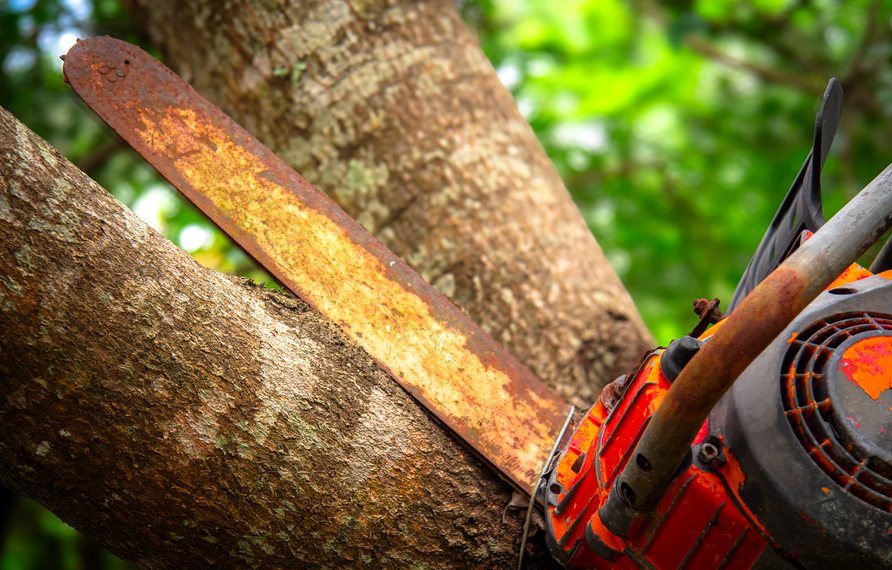
- Before felling, consider the tree’s lean, crown weight, wind, and obstacles, and clear an escape path away from the fall line.
- Train chainsaw operators in notching, hinge wood, and back-cut techniques; maintain firm footing and a two-handed grip while cutting.
Typical Asheboro Pricing
Typical ranges, not a fixed price - the exact number is confirmed in writing before work starts.
$75–$1500
$200–$5000
Straight Answers to Common Questions
Permit rules vary by city and tree species or size. Many municipalities require permits for trees above a certain diameter or protected species. Check local ordinances before work begins to avoid fines; the tree service can often advise on requirements.
Pruning costs range from $75 to $1,500. Late dormant season, just before spring growth, is often ideal because wounds close quickly and pests are inactive. Avoid trimming during leaf-out or fall color change when the tree is stressed.
The rule is a safety guideline: maintain a 5-foot exclusion zone around the sawyer, keep bystanders at least 15 feet away from the tree, and clear a 90-degree escape path opposite the planned fall direction. Proper planning reduces struck-by injuries.
Serving Asheboro and Nearby
Crews serve Asheboro, NC. Book an Estimate to confirm coverage for your address.
You Might Also Need
How We Do Business
- Free EstimatesThe first visit and our honest read cost you nothing.
- The same crew every visitOne team that gets to know your property.
No-Pressure Estimates
Ready when you are, request a free estimate.
Estimates · No-pressure scheduling
Updated October 2026